The World's Coffee Capital
Tokyo's coffee scene is a paradox of scale and intimacy. With over 14,000 coffee establishments, it offers everything from decades-old kissaten tucked in labyrinthine alleyways to third-wave flagships with microscopic precision and respected baristas.
Neighbourhoods like Shimokitazawa and Koenji pulse with independent roasters, while Daikanyama and Omotesando represent the polished, design-driven face of contemporary café culture.
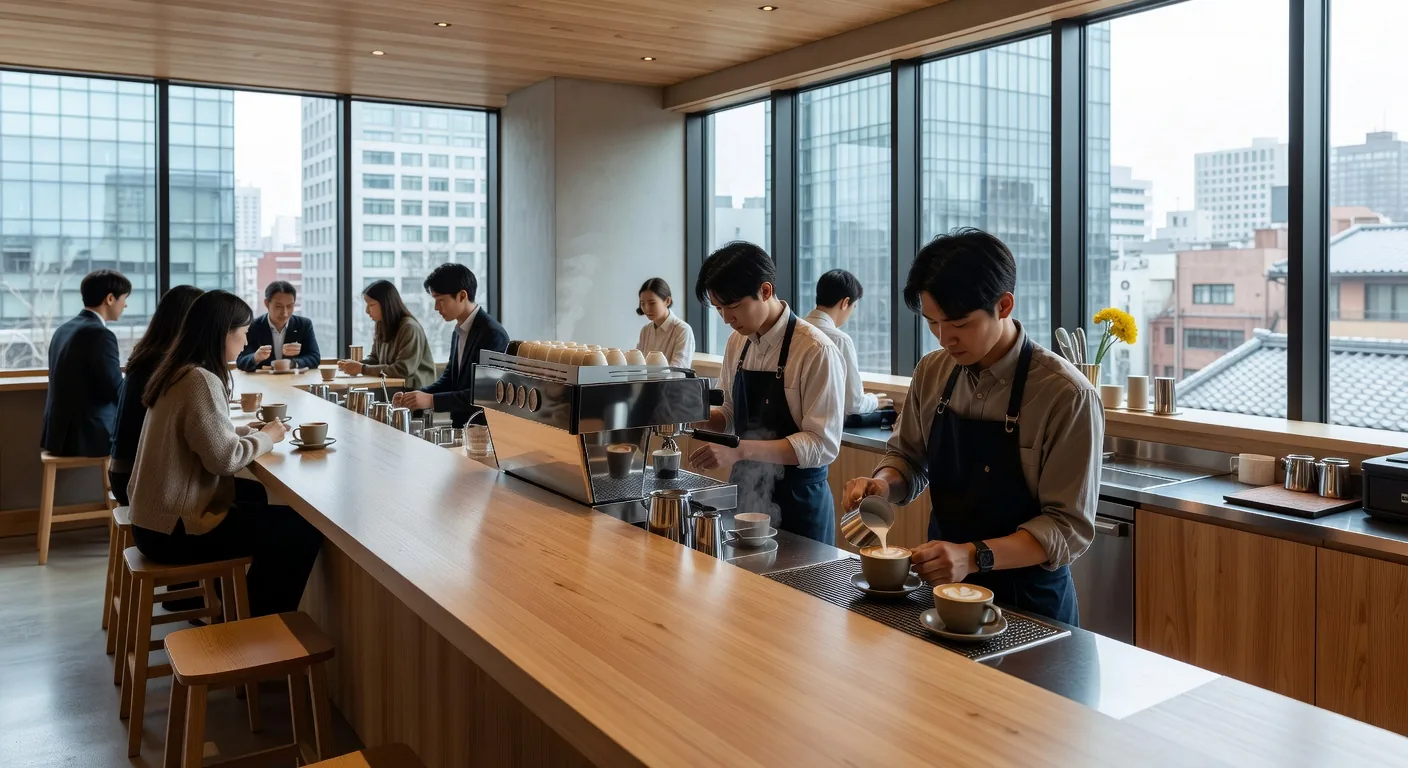
A Norwegian-Japanese collaboration blending Scandinavian minimalism with Japanese precision. Famous for their cold brew and light-roast single-origins. The vintage furniture and cocktail bar after dark make it a true neighbourhood fixture.
Cult status in Tokyo's indie café scene. Owner Katsuyuki Tanaka's espresso technique is legendary — the crema-heavy Angel Stain espresso is served with strict no-phone, no-conversation rules. Bring cash and respect.
The iconic Kengo Kuma-designed space in Omotesando Hills. Sourcing coffee from their own farms in Yemen, Ethiopia, and Hawaii, % Arabica's Tokyo locations define minimalist, photogenic specialty coffee culture.
Perched along the Meguro River with a tiny roaster visible from the counter, Onibus is all about transparency: traceable origins, detailed tasting notes, and friendly staff who love talking coffee.
One of Tokyo's most celebrated old-school kissaten, operating since 1989. Owner Hatou Kuniyoshi still personally curates his deep, complex blends, served in the unhurried atmosphere of a true coffee sanctuary.
A hidden gem in the embassy district — a standing-room-only counter where immaculately trained baristas serve Aeropress and Chemex brews to a discerning clientele of diplomats and designers.
Where Tradition Steeps Slowly
Kyoto's coffee culture reflects the city's soul — deeply considered, quietly elegant, and never rushed. Cafés here often occupy refurbished machiya townhouses, Meiji-era brick buildings, or ancient merchant storehouses repurposed with careful reverence.
The city's café owners tend to be artisans: some have been perfecting the same blend for 40 years. Coffee in Kyoto is inseparable from the city's aesthetic philosophy of wabi-sabi and ma — negative space, imperfection, and the beauty of transience.
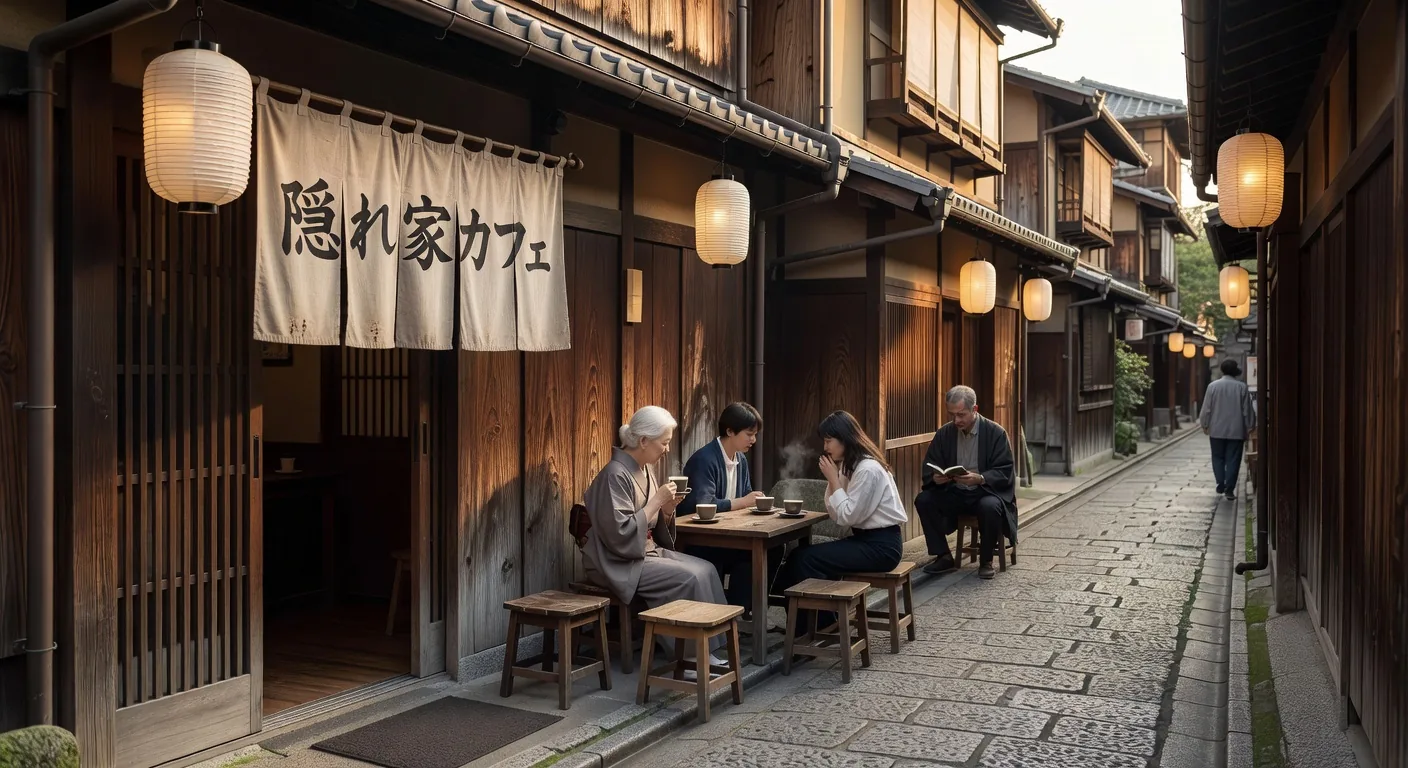
Tucked in a narrow alley just off the Takashimaya arcade, this tiny, book-lined café is Kyoto in miniature. The pour-over station sits between stacks of poetry collections and philosophy texts. Perfection in a small cup.
An Australian-owned espresso bar steps from Fushimi Inari Taisha's famous torii gates. Counter seating overlooks the forested hillside. Exceptional flat whites and housemade matcha cake to fuel the hike ahead.
Named after Thoreau's natural idyll, this café is an island of calm in a busy district. The menu focuses on seasonal, single-origin pour-overs sourced from small farms, with tasting notes that read like prose.
Bold Flavours, Fearless Cafés
Osaka's identity is built on appetite — for food, for connection, and increasingly for coffee. The city's café scene is bolder, more experimental, and less bound by convention than Tokyo's. Baristas here take risks, blends here have personality, and the café interiors range from industrial-cool to gloriously eccentric.
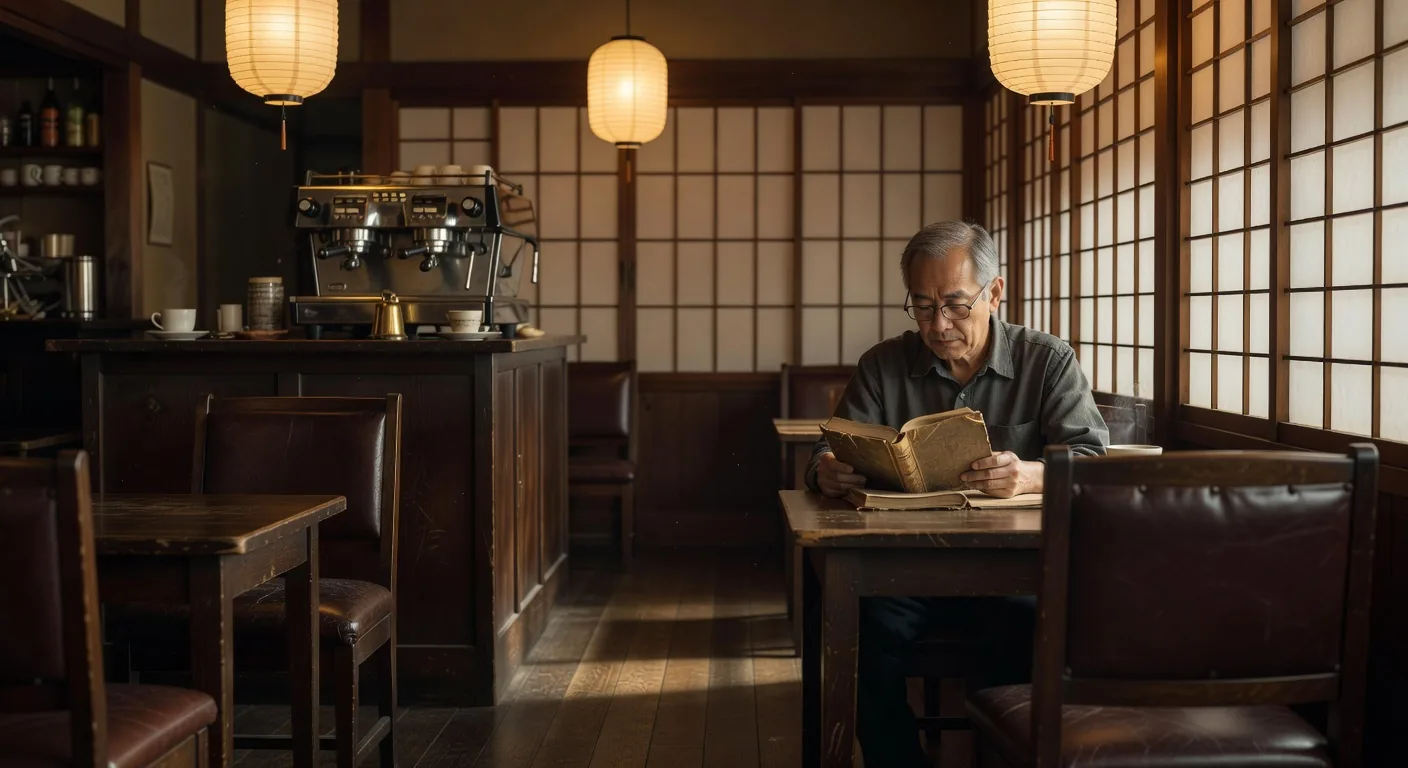
An outpost of the popular Kyoto roaster, Kurasu Osaka brings their philosophy of bright, clean, lightly roasted coffees to the heart of the city. Their seasonal flight — three brews, three origins — is unmissable.
A neighbourhood roastery in the stylish Horie district, blending café culture with a social enterprise ethos. Their medium-roast blend is available to take home, and the espresso tonic is one of Osaka's best kept secrets.
Japan's latte art champion Hiroshi Sawada opened this flagship to showcase the artistic heights of milk-based coffee. The original latte art designs change seasonally and have sparked a nationwide trend.
Morning Set: Japan's Coffee Ritual
Nagoya is the established capital of Japan's legendary "morning set" culture — a tradition where ordering a coffee earns you a free breakfast of toast, boiled egg, and sometimes salad. This unique ritual has made café culture an integral part of daily life in a way no other Japanese city can match.
Born in Nagoya in 1968, Komeda's is where the morning set tradition lives. The Sirocco blend is deliberately comforting — medium-roast, smooth, designed to be lingered over for hours with thick-cut toast and a newspaper.
A beloved Nagoya institution bringing Cologne's café culture to Japan since the 1970s. The hand-drip coffee is exceptional; the Old Fashioned blend has been refined over 50+ years and remains the house signature.
Importing Tokyo's third wave to Nagoya with a vengeance. The seasonal single-origin menu, detailed origin stories on the menu board, and approachable staff have won over a city whose loyalty was firmly with dark-roast tradition.
The Rising Star of Japanese Coffee
Fukuoka punches above its weight in the specialty coffee world. Younger, more compact than Osaka or Tokyo, the city has developed a tight-knit community of roasters and café owners who cross-collaborate, share knowledge, and collectively raise the standard of every cup served.
The café that put Fukuoka specialty on the map. The founders trained in Melbourne and brought back a love of natural processing and lighter roasts. Their Yirgacheffe pour-over is one of the finest in Kyushu.
A transparent roastery and café where the Probat roaster is front and centre. Weekly guest roasters, public cupping sessions on Saturdays, and a genuine passion for coffee education make this a hub for the local community.
Known for their exceptional direct-trade relationships with producers in Ethiopia and Colombia, Coffee County in Tenjin offers some of the most complex and nuanced coffees in the city in a warm, gallery-like setting.
Key Café Districts to Explore
The neighbourhoods that define Japan's coffee geography.
Shimokitazawa
Tokyo's bohemian hub for independent cafés, vintage shops, and live music. Dozens of roasters operate within a 10-minute walk.
Nakameguro
Along the Meguro River, a string of design-forward specialty cafés occupy repurposed warehouses and converted townhouses.
Higashiyama
Historic cobblestone streets lined with machiya cafés blending traditional architecture with contemplative coffee rituals.
Minami-Horie
Osaka's design district hosts an eclectic mix of roasters, concept cafés, and experimental espresso bars.
Sakae
The heart of Nagoya's morning set culture, where old-school coffee houses and modern specialty bars exist side by side.
Yakuin
A walkable residential neighbourhood that has quietly become Fukuoka's most dynamic coffee district over the past decade.
Coffee Etiquette in Japan
Cash is Still King
Many beloved kissaten and independent roasters remain cash-only. Always carry ¥2,000–¥5,000 in small notes when café-hopping.
Respect the Silence
Traditional kissaten often operate as quiet sanctuaries. Keep phone calls outside, speak softly, and savour the atmosphere.
Ask About the Blend
In specialty cafés, staff welcome questions about origin and process. A simple "osusume wa?" (what do you recommend?) goes a long way.
Morning is Sacred
In Nagoya and beyond, the morning hours (7–10am) in a traditional café are a cherished ritual. Don't rush — the toast is worth it.